Youth Hockey Gear Checklist for Parents
The first time you pack a child for hockey, it can feel like you need a second locker room and a translator. Parents are expected to sort through skates, pads, helmets, sizing charts, and league rules, often before they know what properly fitted gear should even look like. A good youth hockey gear checklist takes that stress down to size and helps you focus on what matters most - protection, fit, and comfort on the ice.
For young players, the right setup is not about buying the most expensive item in every category. It is about making sure each piece works together, fits correctly today, and gives your player room to learn without being distracted by pain points, loose equipment, or gear that shifts during play. That is especially true for families buying for a first season or replacing equipment after a growth spurt.
What belongs on a youth hockey gear checklist
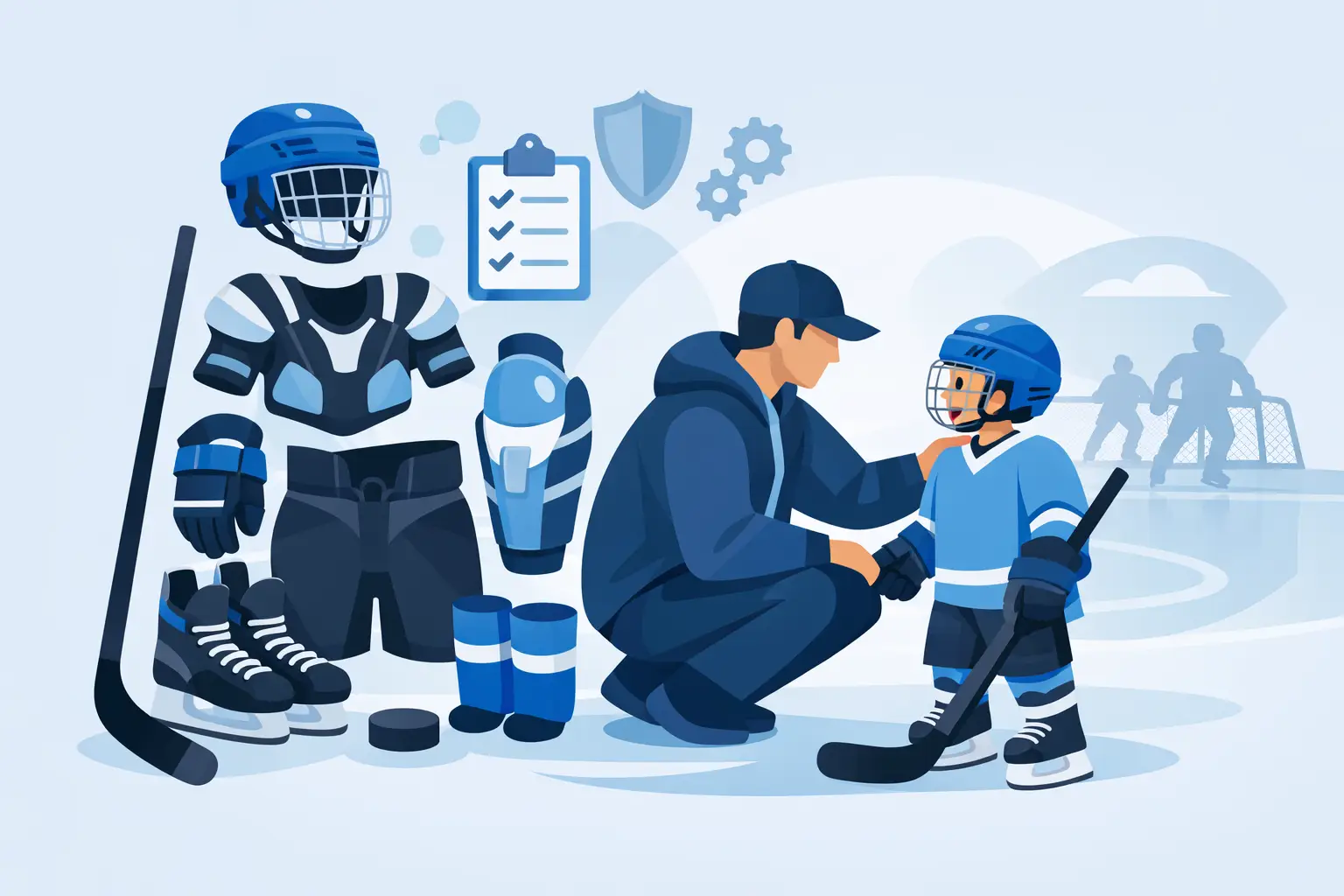
Every player needs a core set of equipment before stepping onto the ice. The essentials start with a helmet, neck guard if required by the league, shoulder pads, elbow pads, gloves, hockey pants, shin guards, skates, a protective cup or pelvic protector, stick, hockey socks, practice jersey, and an equipment bag to carry it all. Many players also need a mouthguard, base layers, skate soakers, tape, and a water bottle.
That sounds simple on paper, but the details matter. Youth hockey equipment is protective gear, not general sports apparel. If one piece is the wrong size, it can affect how another piece sits. Shin guards that are too long can interfere with skate flex. Gloves that are too large can reduce stick control. A helmet that rocks or shifts is never a minor issue.
Start with the gear that affects safety most
If you are prioritizing where to spend time and budget, start with the helmet, skates, and core protective gear.
Helmet and face protection
A hockey helmet should fit snugly all the way around, with no major pressure points and no side-to-side movement when the chin strap is secured. The cage or shield should sit properly so the player has a clear field of vision and good protection without constant adjustment. Parents sometimes buy oversized helmets hoping to get another year out of them, but that is a risky trade-off. A helmet that moves is not doing its job.
Haircuts, growth, and different helmet shapes all affect fit, so this is one category where trying the helmet on matters. The right helmet is the one that matches the child’s head shape and stays secure, not the one with the biggest marketing story.
Skates
Skates are one of the most misunderstood purchases in youth hockey. A child’s sneaker size is not a reliable skate size, and going too big is one of the most common mistakes parents make. Oversized skates can hurt balance, stride development, and comfort. Young players need heel lock, proper ankle support, and enough structure to skate confidently.
This is also where expert fitting makes a real difference. Width, volume, and foot shape can matter as much as length. If a child complains that skates hurt, the answer is not always to size up. Sometimes the issue is shape, lacing, or support under the foot.
Shoulder pads, elbow pads, and shin guards
These pieces should cover the appropriate areas without leaving gaps and without restricting movement. Shoulder pads should protect the chest, shoulders, and upper spine while sitting flat against the body. Elbow pads need to stay centered on the elbow when the player bends and moves. Shin guards should cover from below the knee to the top of the skate tongue area, depending on how the player wears them.
The test is not just standing still in the store. Kids should bend, squat, and mimic hockey movement. If pads slide out of place when they move, the fit is off.
The pieces parents often overlook
A complete youth hockey gear checklist includes more than the big-ticket items. Some of the smaller pieces are easy to forget until game day.
A properly fitted protective cup or pelvic protector is essential. Base layers can help with comfort and make gear easier to put on. Hockey socks and a practice jersey may be required by the team, and not all youth programs provide them. A mouthguard may be mandatory depending on age and league rules. Tape for sticks and shin guards, skate guards for walking off the ice, and a bag large enough to hold everything are basic but necessary.
It is also worth keeping an extra set of skate laces in the bag. They are inexpensive, and they save a lot of stress when one breaks right before practice.
How to judge fit without guessing
Parents are often told that kids will grow into equipment. Sometimes a little room is acceptable, but there is a line between practical and sloppy.
Gloves should let the player open and close their hands naturally while covering the wrists. Hockey pants should overlap the top of the shin guards and meet the bottom of the shoulder pads without exposing too much midsection. Elbow pads and shin guards should stay in place when straps are secured, not spin or slide freely. Skates should feel snug through the heel and midfoot, with toes just brushing the cap when standing straight.
The general rule is simple: protective gear can allow for modest growth room if it still stays in position, but skates and helmets should never be bought overly large. Performance and safety drop quickly when those two categories are not fitted correctly.
New player needs versus returning player needs
Not every family needs to shop the same way. A first-year player usually needs the full setup, and that makes planning more important. It helps to separate must-haves from nice-to-haves and focus first on equipment that affects protection and skating development.
For returning players, the better question is what still fits and what no longer performs. Kids can outgrow shin guards, pants, and skates faster than parents expect, even if the equipment still looks clean. Before the season starts, have your child put everything on. Check for exposed gaps, tight straps, shortened coverage, and any complaints they did not mention at the end of last season.
A player moving into more competitive hockey may also need upgrades in specific categories. That does not always mean replacing everything. It may mean a more supportive skate, a stick with more appropriate flex, or protective gear better suited for stronger contact and faster play.
Budget matters, but smart spending matters more
There is no single right price point for youth hockey equipment. Some families need to keep the season affordable, while others are looking for higher-end options because their child skates multiple times a week. Both approaches can make sense.
The better strategy is to spend where fit and function matter most. Skates and helmets deserve serious attention. Protective gear should fit properly and match the level of play. Sticks are an area where many younger players do well with practical options rather than top-end models, especially when they are still growing and learning basic mechanics.
It also helps to think in terms of replacement cycles. A child may outgrow skates in one season but keep shoulder pads for longer. Buying with that reality in mind usually leads to better decisions than trying to make every item last the same amount of time.
Why in-store fitting still helps families
Online shopping is convenient, but youth hockey equipment is not always a category where convenience alone leads to the best outcome. Fit issues are common, and younger players are not always able to explain discomfort clearly. They may say something hurts when it is actually too loose, or say nothing at all because they assume hockey gear is supposed to feel bad.
That is why working with a hockey-focused retailer matters. A proper fitting can catch common issues early, whether it is a helmet shape mismatch, a skate width problem, or shin guards that are the wrong length for the player’s stance. At Majer Hockey, that specialist approach is built around helping families get the right fit, not just checking items off a shelf.
A simple pre-season check before you buy anything
Before replacing gear, lay everything out and inspect it carefully. Look for cracked plastic, worn straps, missing hardware, flattened padding, rusted helmet clips, and skates that no longer provide support. Then have your child try on the full set. Visual wear is one issue, but outgrown equipment is often the bigger one.
This quick review can prevent duplicate purchases and make the next shopping trip more focused. It also helps you spot what can wait and what needs immediate attention.
A strong youth hockey gear checklist is less about owning everything at once and more about building a setup your child can trust every time they step on the ice. When the gear fits well, young players skate more freely, learn more comfortably, and spend less time fighting their equipment. That is a better start to any season than guessing your way through the bag.


 -
-