What Equipment Do Beginner Goalies Need?
The first time a new goalie puts on full gear, the reaction is usually the same - this is a lot. Parents see a pile of equipment and wonder what is essential, what can wait, and where fit matters most. If you are asking what equipment do beginner goalies need, the short answer is everything required to stay protected, move comfortably, and build good habits from day one.
Goalie gear is different from player gear because every piece has a direct effect on safety and movement. A beginner does not need the most expensive setup on the wall, but they do need equipment that fits properly and works together as a system. That matters whether you are buying for a young first-year goalie, a teenager switching positions, or an adult getting into the crease for the first time.
What equipment do beginner goalies need first?
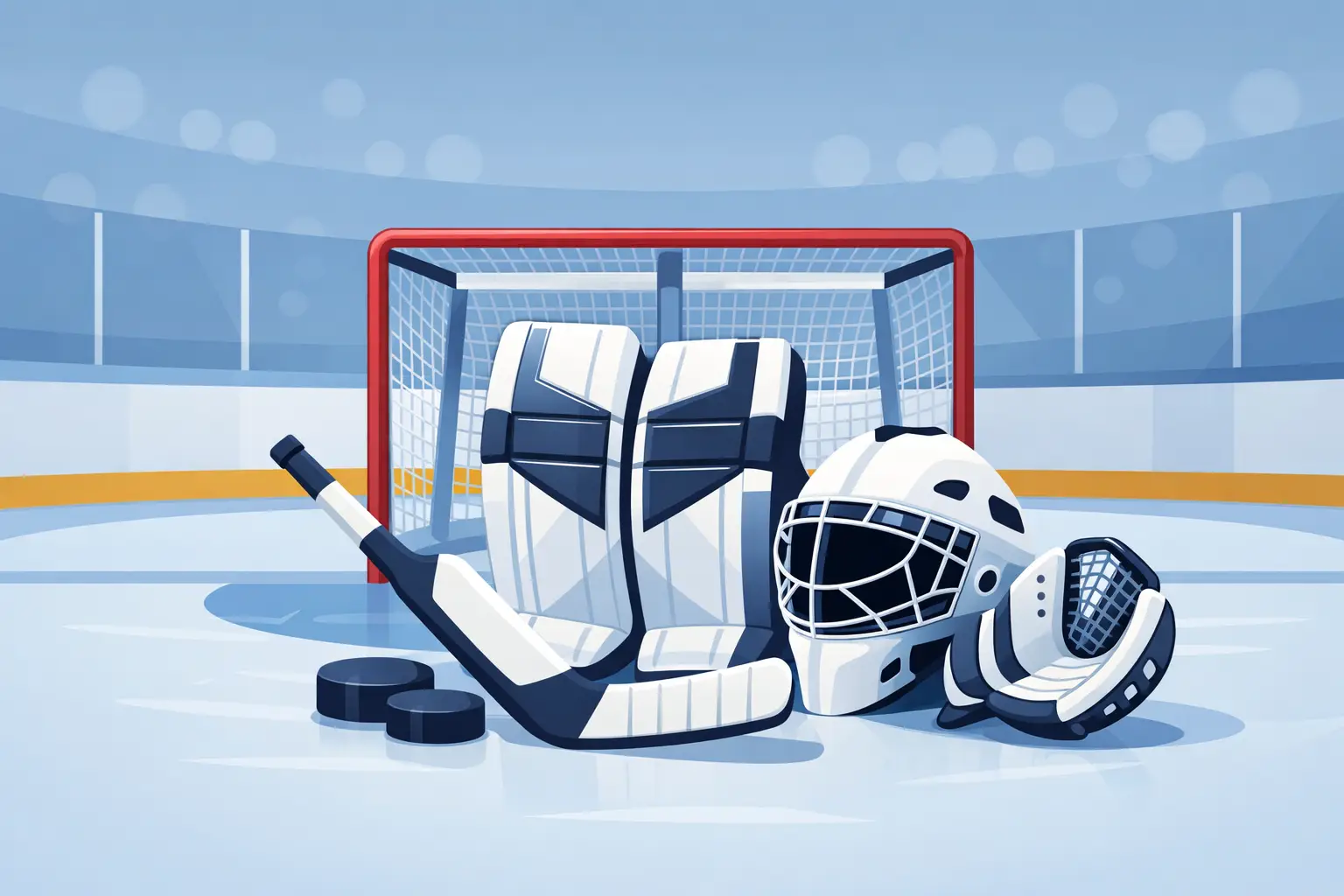
Start with the non-negotiables. A beginner goalie needs a certified goalie mask, neck protection, chest and arm protector, goalie jock or Jill, leg pads, goalie skates, blocker, catcher, goalie pants, a stick, and a base layer that helps everything sit correctly. Depending on the level and league, some players may also need a separate throat guard, knee guards, and additional practice apparel.
It helps to think in three categories: protection, mobility, and control. Protection keeps the goalie safe from shots, collisions, and awkward falls. Mobility allows them to get into stance, recover, and move through drills without fighting the gear. Control comes from the glove, blocker, stick, and skate setup that lets them track and stop pucks with confidence.
For beginners, safety and fit come before brand loyalty or high-end features. A pad with advanced strapping or a pro-level glove break does not help much if the gear is too large, too stiff, or uncomfortable enough to distract the goalie every time they step on the ice.
The core protective gear every beginner goalie needs
The goalie mask is the first place to be careful. A proper goalie mask is built for repeated puck impact and is very different from a player helmet. It should fit snugly around the head without painful pressure points, and the cage should line up so the goalie can see clearly in stance. If the mask shifts when they move or leaves too much open space, it is not the right fit.
Neck protection is also essential. Some goalies use a dangler attached to the mask, some wear a padded neck guard, and many use both depending on age, level, and personal preference. For beginners, more coverage is usually the better choice. It is one of those pieces that may not feel exciting to buy, but it matters every time a puck rides up off traffic.
The chest and arm protector should cover the upper body without leaving gaps and without being so bulky that the goalie cannot move freely. Young goalies especially need enough coverage in the arms, shoulders, and ribs, but they also need to be able to square up to shots and hold their glove and blocker in a natural position. If the chest protector rides up into the mask or leaves the wrists exposed, the fit needs work.
A goalie jock or Jill is mandatory equipment. This is not an area to improvise with player gear. Goal-specific protection is designed for the position and should fit securely under the pants without shifting during movement.
Goalie pants are cut wider than player pants to protect the hips, thighs, and lower spine while allowing a good stance. They should overlap correctly with the chest protector and leg pads. Too short and coverage suffers. Too large and the goalie feels like they are swimming in them.
Leg pads, gloves, and skates: where beginners feel the biggest difference
Leg pads usually get the most attention, and for good reason. They affect butterfly coverage, recovery, balance, and confidence. For a beginner, the right size matters more than the newest construction. Pads that are too tall can interfere with movement and make it hard to close the five-hole properly. Pads that are too small leave unnecessary openings and can throw off the goalie’s posture.
Many new goalies and parents assume bigger pads are better because they cover more net. In practice, oversized pads usually create more problems than advantages. Beginners need to learn movement patterns, not fight equipment that is working against them.
The catcher and blocker should match the goalie’s hand orientation and feel manageable right away. A beginner catcher should open and close reasonably well without excessive effort. Some gloves need a longer break-in period than others, which is worth considering for younger goalies with less hand strength. The blocker should sit comfortably on the hand and let the goalie hold the stick naturally.
Goalie skates are another key difference from player equipment. They are built to support a lower stance, lateral movement, and the demands of crease play. A beginner does not need a top-end skate, but they do need one that fits properly through the heel and forefoot and gives stable support. Poorly fitted skates can affect balance, edge control, and confidence before the goalie even faces a shot.
The stick and smaller pieces that complete the setup
A goalie stick should match the goalie’s size and stance. Paddle length is where most beginners go wrong. If the paddle is too long, the stick blade may not sit flush on the ice in stance. If it is too short, the goalie can end up hunched over and uncomfortable. The right size helps with puck coverage and rebound control and makes a noticeable difference in how natural the position feels.
Base layers matter more than many first-time buyers expect. Compression tops, leggings, or cut-resistant base gear can help equipment sit properly, manage moisture, and improve comfort during practices and games. Socks for knee guards or undergarments that keep everything in place can also make a setup feel much more secure.
Knee guards are often necessary depending on the leg pad design. Some modern pads have looser knee areas and rely on separate knee protection. For beginners learning to drop into the butterfly repeatedly, that extra protection can be very important. This is one of those areas where a full fitting helps, because compatibility between pads and knee guards is not always obvious when you are shopping piece by piece.
What beginner goalies can buy later
Not every purchase has to happen at once if budget is a concern, but the safety pieces cannot be delayed. What can sometimes wait are secondary practice jerseys, extra base layers, a second stick, or upgraded accessories. Some beginners also start with more value-focused gear packages before replacing individual pieces as they develop preferences.
Used gear can be a smart option in some categories, but it depends on the item. Leg pads, pants, sticks, and gloves may be reasonable if they are still structurally sound and fit properly. Helmets and masks require more caution because impact history and material condition matter. For any used gear, breakdown in foams, straps, closures, or palm areas can turn a bargain into a short-term fix.
There is also a difference between buying for a child who may outgrow gear quickly and buying for an adult beginner who wants a longer-term setup. Younger goalies often need practical, adjustable gear with room for development. Older beginners may benefit from spending a little more on comfort and fit if they plan to skate consistently.
How proper fit changes everything
When people ask what equipment do beginner goalies need, they are often really asking how to avoid buying the wrong gear. The answer is fit. Properly fitted goalie equipment protects better, moves better, and gives the goalie a better chance to enjoy the position early on.
A mask that fits correctly improves confidence tracking the puck. Pads that sit at the right knee point make butterfly movement feel natural. A glove that closes well helps a new goalie experience clean saves instead of frustrating bobbles. These details shape whether a beginner feels encouraged or overwhelmed.
This is also why specialty goalie fitting matters. General sporting goods sizing can only get you so far in a position where every inch affects movement and coverage. An experienced hockey shop can help match chest protector overlap, leg pad height, glove feel, skate fit, and stick length so the full setup works together. At Majer Hockey, that kind of guidance is part of helping families and players make informed decisions instead of guessing their way through the process.
For a beginner goalie, the goal is not to build a perfect pro-style setup on day one. It is to get on the ice with gear that fits, protects, and allows real progress. Once that foundation is in place, the game gets a lot more fun, and the equipment starts to make sense.


 -
-