
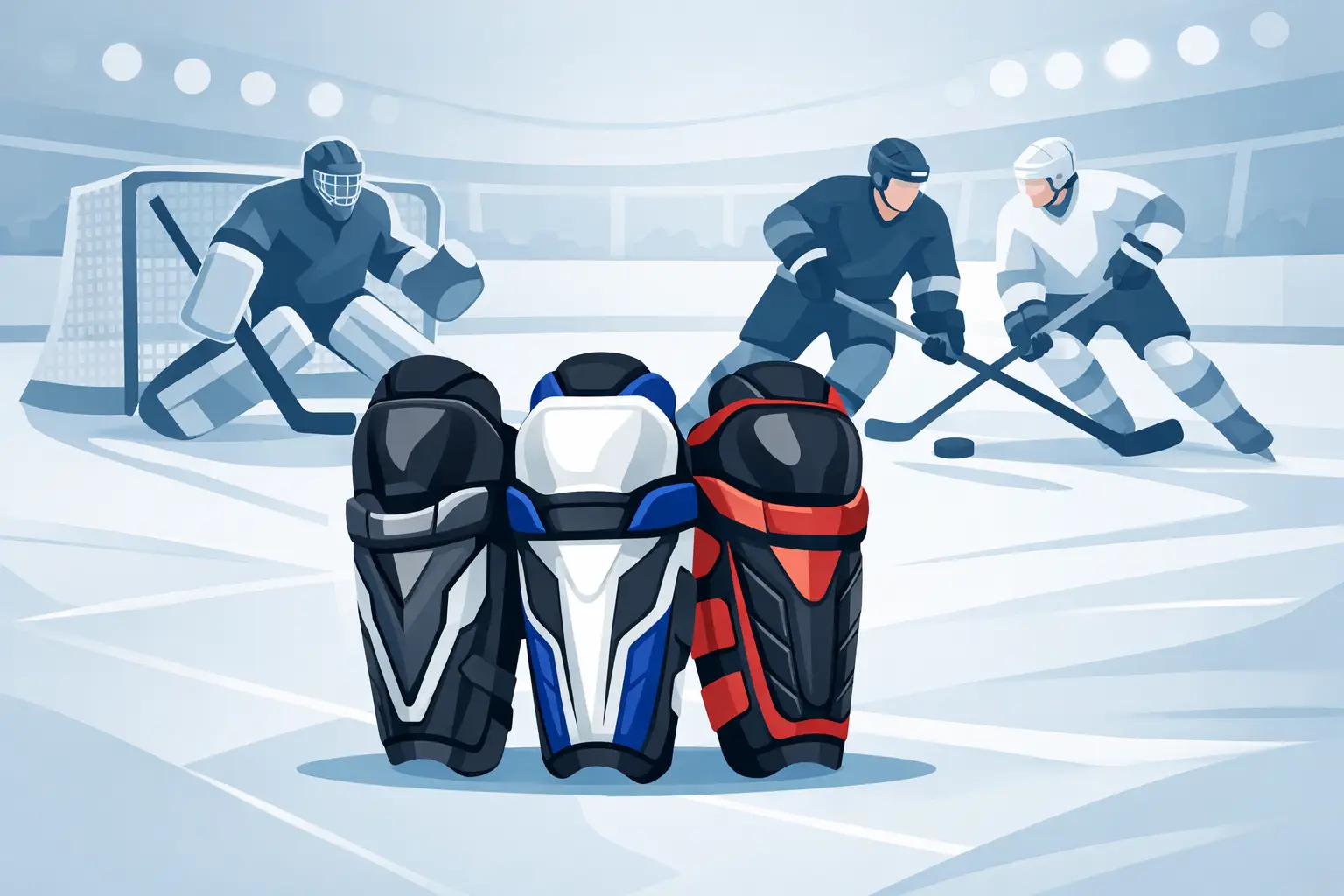
Best Hockey Shin Guards for Every Player
A shin guard that shifts on the first hard stop, pinches behind the knee, or leaves a gap above the skate is not the right one - no matter how impressive the spec sheet looks. When players ask about the best hockey shin guards, the real answer starts with fit, then protection, then mobility. The best model for a growing youth player is not always the best choice for an adult beer league defenseman or a high-level forward playing three times a week.
Shin guards have one job: protect the lower leg and knee from pucks, sticks, falls, and board contact without getting in the way of skating. That sounds simple, but this category has changed a lot. Modern models are lighter, more anatomical, and more specialized by fit profile. Some wrap closely for a streamlined feel. Others are built with more volume and heavier-duty impact protection for shot blockers and physical play.
What makes the best hockey shin guards?
The best hockey shin guards balance four things well: knee coverage, shin protection, calf coverage, and how naturally they move with your stride. If one of those is off, players notice it fast.
The knee pocket is where proper fit usually starts. Your kneecap should sit securely in the center of the guard without floating around or pressing hard against the sides. If the knee cup is too shallow or too wide, the shin guard can twist during play. That is when protection starts to fail.
Shin protection matters most when you take direct contact from pucks or sticks, but the shape of that protection changes by player type. A shot-blocking defenseman may want a stiffer front shell and reinforced side coverage. A quick, agile forward may care more about keeping the profile low and the weight down. Neither preference is wrong. It depends on where and how you play.
Calf wrap is another area buyers sometimes overlook. A lot of players focus only on the front of the leg, but side and back coverage can matter just as much, especially in scrums and along the boards. More wrap usually means better protection, though it can also add bulk. That trade-off is worth thinking through before you buy.
Best hockey shin guards by player type
There is no single best model for everyone, but there is usually a best type of shin guard for the way you play.
Youth and first-time players
For younger players, the right shin guard should be protective, easy to wear, and simple for parents to size correctly. A secure knee pocket and dependable straps matter more than chasing the lightest elite-level build. Younger players often need a little more forgiveness in fit because they are still learning how equipment should sit and feel.
Comfort is a big deal here. If shin guards constantly slide or feel awkward during practice, kids tend to fidget with them, and that creates gaps in protection. A well-fitted recreational or performance-level model is usually the smarter choice than an expensive top-end guard with a more specialized fit.
Recreational adult players
Most adult rec players do best with a shin guard that leans toward comfort and reliable all-around protection. If you skate once or twice a week, you probably do not need the stiffest pro-style shell on the wall. What you want is enough protection for blocked shots, stick contact, and the occasional collision, without feeling like your lower legs are wrapped in armor.
This is where fit profile becomes important. Some adult players have wider calves, wear bulkier skate tongues, or simply prefer a roomier guard. Others want a closer anatomical feel. The right answer is the one that stays in place and does not distract you during the game.
Competitive and elite players
Higher-level players usually notice the difference between fit families right away. They care about mobility, low-profile construction, strap security, and how the guard interacts with the skate tongue and hockey sock tape. These players also tend to put more stress on their gear through frequent use.
At this level, the best hockey shin guards often come down to preference between maximum coverage and maximum mobility. A defenseman who regularly blocks shots may prioritize thicker frontal protection and extended calf coverage. A fast-transition forward may choose a tapered, more responsive fit that feels lighter through every stride.
How to size hockey shin guards correctly
Sizing is where a lot of mistakes happen, especially when buying for kids online. The right length should cover from the center of the kneecap down to the top of the skate tongue area, with no major gap. Once the skate is on and the shin guard is in place, the bottom of the guard should sit close to the top of the skate without interfering badly with forward flex.
Most players are sized by measuring from the middle of the kneecap to the top of the skate. That gives you a starting point, not the final answer. Two shin guards with the same listed size can fit differently depending on the brand, shell shape, and knee pocket depth.
The overlap with the skate tongue also matters. Some players wear the tongue tucked under the shin guard. Others prefer tongues out. Neither is universal, but your preference changes how the shin guard sits. A setup that feels perfect for tongues-in can feel awkward for tongues-out, and vice versa.
For growing players, buying too big is tempting, but it often creates more problems than it solves. If the knee does not sit in the right place now, the guard is not offering proper protection now. A little room is one thing. A sloppy fit is another.
Features worth paying attention to
Not every advertised feature matters equally. A few do.
Strap design is one. If the strap system does not hold the guard securely, the rest of the protection package is less useful. Some players prefer a traditional two-strap setup, while others like wider lock straps that anchor the calf more firmly. If you have had issues with shin guards rotating, start here.
Liner quality also matters more than many players expect. A comfortable liner improves the feel immediately, but it also affects moisture management and how the guard settles against the leg over a long skate. Removable liners can be helpful for drying gear properly, especially for families managing multiple practice sessions each week.
Ventilation and weight are helpful features, but they should not come at the expense of coverage. Very lightweight shin guards can feel great in the store, yet some players end up wanting more substance once the season gets physical. Again, it depends on usage.
Common mistakes when choosing shin guards
The first mistake is buying based on brand loyalty alone. If one brand fits your shoulder pads or skates well, that does not guarantee the same result in shin guards. This category is extremely fit-sensitive.
The second mistake is focusing only on front-facing protection. Side wrap, calf coverage, and knee stability are just as important. A guard can look solid from the front and still leave vulnerable areas exposed.
The third mistake is ignoring how the shin guard works with the rest of your gear. Socks, garter setup, tape style, base layers, and skate tongue preference all influence comfort. The best fit is a full-equipment fit, not an isolated try-on.
How parents can shop with more confidence
Parents usually want two things: real protection and a purchase that makes sense for a child who may outgrow gear quickly. That is reasonable. The key is to avoid oversizing and instead choose a model with dependable protection, straightforward fit, and enough durability to handle the season.
If your child complains that shin guards feel bulky, do not assume they are resisting protective gear in general. They may simply be in the wrong fit profile. A narrower anatomical model can feel much better for some players, while others need more volume through the calf and knee area.
This is one category where expert fitting helps. A specialty hockey shop can usually spot issues in seconds that are hard to catch from a size chart alone. That is especially useful for families buying gear for the first time or replacing equipment after a major growth spurt.
So, which shin guards are best?
The best hockey shin guards are the ones that match your level, your leg shape, and your style of play without forcing a compromise you will notice every shift. If you are a youth player, that usually means comfort, stability, and proper sizing. If you are an adult rec player, it often means balanced protection with a fit that stays put. If you play at a higher level, the decision usually narrows to how much coverage you want versus how streamlined you want to feel.
At Majer Hockey, this is exactly the kind of gear decision where fit guidance makes a difference. A shin guard can look right on paper and still be wrong on the ice.
If you are replacing an old pair, pay attention to what bothered you about the last one. That detail usually points you toward the right next choice faster than any marketing claim ever will.


 -
-